




03 Jul Designing the West: Western Style Revival
Western style. Its influences are varied, from dude ranches and dime novels to rodeo and the silver screen, to Native American artistry seen in such crafts as beadwork. The fine artists who came to the region as the railroad opened the Mountain West to tourism had their impact, as did the wildly rustic parkitecture on display at the Old Faithful Inn in Yellowstone National Park. But the biggest influence of all was the landscape and the flora and wildlife distinct to the Northern Rockies.
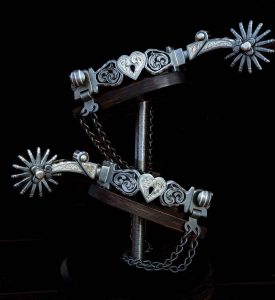
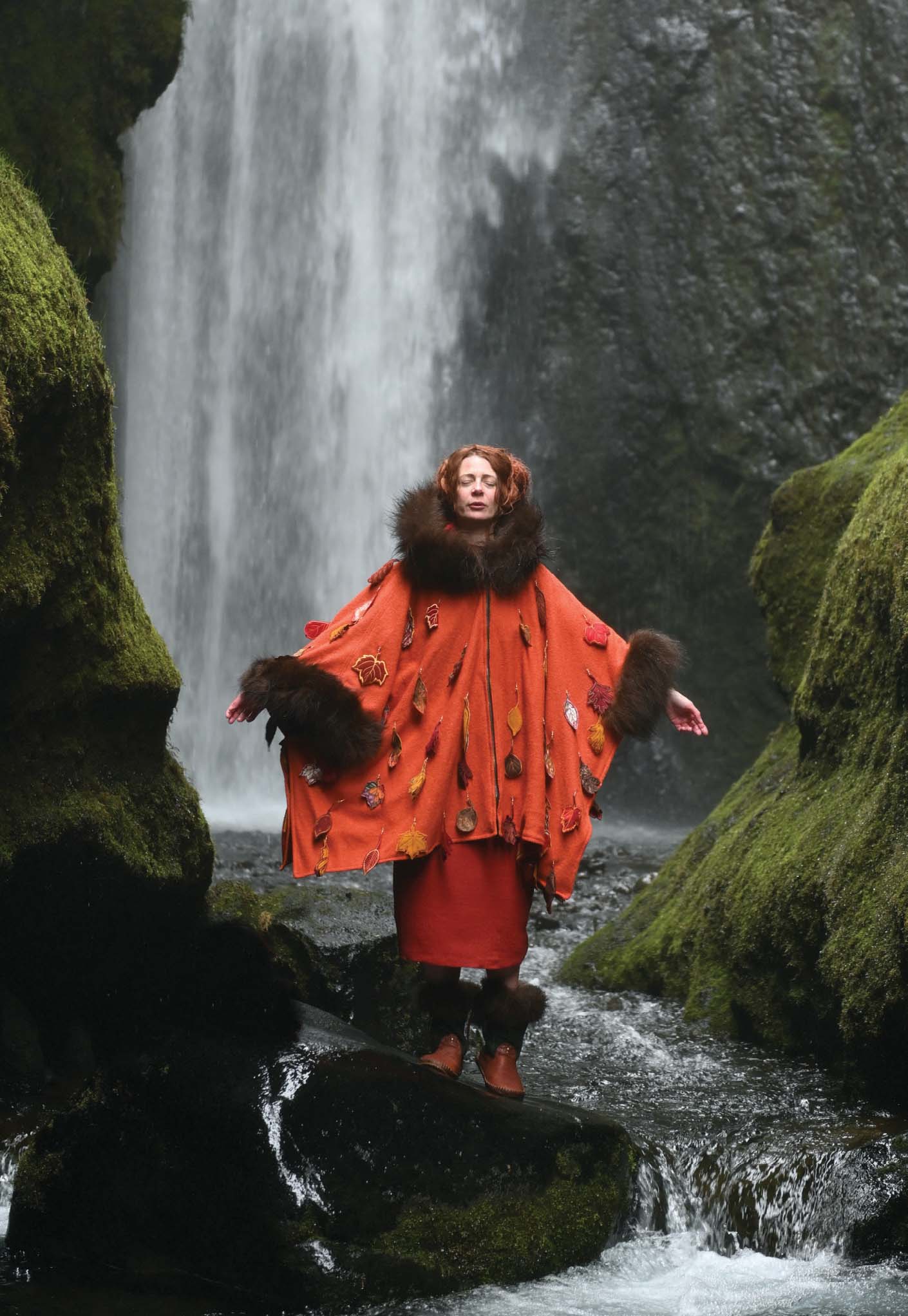
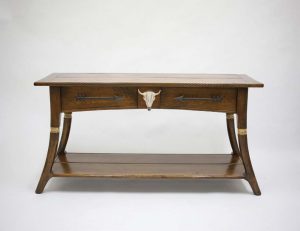
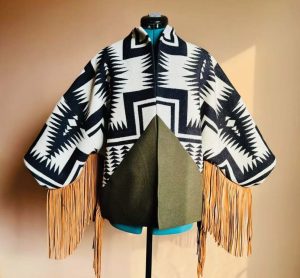
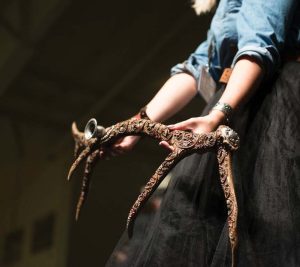
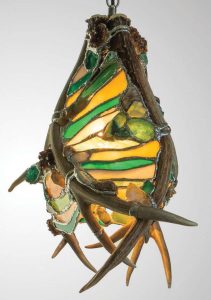
The wide variety of functional art includes silverworks by Erickson Bit and Spur, woodwork by Robert Seliger, and Indigenous-made or Indigenous-inspired items, such as this eye-catching fringed jacket by The Goodmaker. Carved antler candelabra by the late Jenny Booth at the WDC auction; glass and antler pendant light from Mountain Girl Studios.
Western-style craft furniture always existed as a cottage industry in small towns throughout the Mountain West, especially in those with a flourishing dude ranch industry. But the first designer to seize on the nation’s love affair with the West was Thomas Molesworth. A graduate of the Art Institute of Chicago, he founded a furniture company in Cody, Wyoming, then, over several decades, established the design vocabulary we think of as Western. In the landmark 1989 exhibition of his work, curator Wally Reber says of Molesworth, “He blended rustic materials with the sleek lines of ’30s Modern form and added a dash of Western humor with a pinch of practicality. The look was inspired, bodacious, and certifiably Western.”
In the wake of the Molesworth exhibition in Cody and Los Angeles, and the extraordinary success of the movie Dances With Wolves, the moment was ripe. In 1993 a group of mostly Wyoming-based artisans decided to band together to mount a show. The idea was to bring the world to Cody and their work to the world. The Western Design Conference launched to huge excitement and enthusiasm; over the years it grew to more than 100 exhibitors. In 2007, the conference relocated to Jackson, Wyoming.
The Western Design Conference (WDC) has always been as much about learning as selling, and as much about fun as design. And it has always been as much for the artisans (the show takes no commission on work sold, for instance) as it is for the audience. It’s about learning from, and being pushed by, one another and sharing techniques, ideas, and inspiration. It is also about interacting and collaborating with writers, editors, architects, interior designers, and collectors — a rare opportunity for craftspeople who spend most of their time working in isolation.
Design podcaster Suzanna Hamilton of Hamilton House Media, first heard of the WDC in 2009. She had owned a business on the East Coast selling documented 18th- and 19th-century American furniture and decorative arts to investment-level collectors, museums, designers, and celebrities. When she started a business on the Town Square in Jackson she added Native American pieces and modern furnishings to her repertoire. “Authenticity, irrespective of period, place, or medium, was a critical element of my business,” she says, “so I found the Western Design Conference to be a terrific resource. These talented artisans create pieces that employ traditional craftsmanship and attention to detail, but with modern interpretations of historic wares.”
Since its inception, the WDC has been unique. It has been a huge driver in breadth, depth, and quality, not only of functional art that reads as Western or rustic, but of work with decidedly contemporary expression. Whatever its expression, this is art that is inspired by the West or by the natural world.
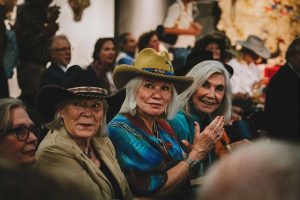
The WDC always kicks off with an energy-infused opening party and fashion show.
Now, after 15 years in Cody and 18 years in Jackson, the Western Design Conference has once again relocated, this time to the thriving university town of Bozeman, Montana. Located in the Brick Breeden Fieldhouse, architecturally significant for its dome that was, at the time of its construction in 1957, the largest clear-span wooden structure in the world, the WDC’s opening party includes a high-energy fashion show and live auction. It’s an event that has the feel of a fun reunion, given the number of longtime participants, sponsors, and party faithfuls sporting cowboy boots and fringe. For the remaining three days, attendees can view the pedestal pieces vying for $20,000 in award purses and browse booths showcasing a stunning array of furniture, leatherwork, metalwork, cowboy gear, jewelry, fine art, and photography.
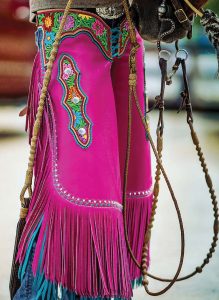
Fashion-forward pink chaps by 7 Devils Leather.
Leading up to the WDC, master woodworker Doug Nordberg is hard at work in his Cody, Wyoming, studio, preparing small lengths of elk antler to be applied side-by-side to create the border of a round mirror. He and his brother, Ron Nordberg, describe their entry as “Black Forest meets King Louis on the Yellowstone” — an antler and wood vanity, antler and leather mirror, and elk antler stool topped with beaver fur. And they are working on a desk with carved legs, carved bison heads in the Old World style, and carved and painted drawer pulls made from antler burrs by another award-winning Wyoming artist, the late Jenny Booth.
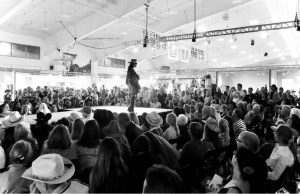
Hundreds gather for the opening night events, to mix with Western artisans and artists, interior designers and architects, writers, editors and photographers, musicians, entrepreneurs, collectors and Western lifestyle enthusiasts.
The brothers anticipate that it will take them several hundred hours of painstaking work to complete the pieces. But that’s the level to which one has to strive in order to be considered for one of the prestigious awards bestowed during the four-day event.
Now in its 34th year, Executive Director Allison Merritt says, “The Western Design Conference is the voice that shapes the narrative about the modern West. This conference brings authority and reach and cultural alignment. And it amplifies the creative voices that are at the heart of it.”
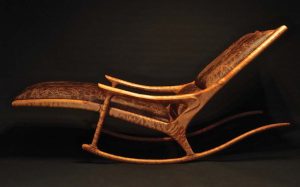
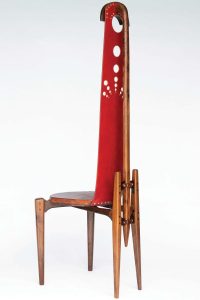
The chaise longue rocking chair by Henneford Fine Furniture is just one example of the meticulous craftsmanship on display.
Along with the conference, there will also be tours of the Designer Showhouse, a structure constructed specifically for the event to offer a curated interior environment where attendees can view works in situ. The 2026 Showhouse features six rooms, two porches, a 40-foot hallway and breezeway, each created by leading designers and artists collaborating across disciplines. “It’s an immersive must-see experience that draws designers and collectors deeper into the event and creates more opportunities for engagement,” explains Merritt.

Elyse Allen Textiles’ handmade neutral-toned wrap travels well, from mountains to coasts.
Designers include Michele McCarthy Interiors in collaboration with ICON Bunks; Kibler & Kirch with Old Hickory Furniture; Shima Shanti; Danielle Mourning of Rosebud Homestead with Erin Martin; Ashli Mizell; and Paige Williams Interior Design with Littlebranch Farm. Together the teams create a series of layered interiors that celebrate craftsmanship, storytelling, and the creative frontier that defines Western design.
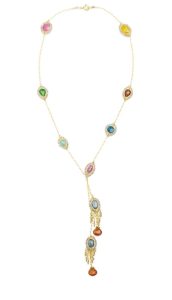
Award-winning jewelry designs from Mirta Tummino Studio include unique pieces like this lariat-style necklace with precious gems.
The Kibler and Kirch space showcases designer Jeremiah Young’s signature approach to Western interiors. He marries historic influence and contemporary craftsmanship, creating sophisticated spaces rooted in place that blend heritage materials, architectural storytelling, and modern refinement. “The Western Design Conference features the best of the best in our corner of the world for craft, artisanship, and creativity,” he says. “It is the ultimate venue for inspiration.”

The WDC’s new venue, the Brick Breeden Field House at Montana State University, will house pedestal pieces vying for $20,000 in award purses and a Designer Showhouse featuring six rooms, two porches, and a 40-foot hallway and breezeway, each created by leading designers and artists collaborating across disciplines.
An outdoor kitchen, bar, and patio space designed by Rivers Landscaping creates the perfect venue for educational presentations that take place over the course of three days, with Friday focused on home and design, and the awards ceremony and a judges’ book signing. On Saturday the theme is fashion, while Sunday is Makers’ Day.

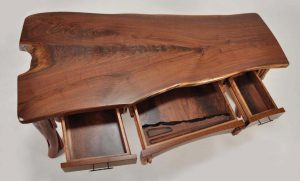
The exhilarating variety of works includes: handbags from Beargrass Leather; interior environments from creatives like Paige Williams Interior Design; contemporary furniture, such as an art chair from Tyrel Johnson Fine Art; and a live-edge desk by Norman Designs West.
Since 2014 the WDC has been operated by Merritt, whose passion for the work and for supporting artists is both sincere and infectious. Over the years she has worked tirelessly to maintain a strong commitment to Western arts while always elevating quality, encouraging artisans to push themselves, and expanding the reach of the show during a time of rapid change in the Mountain West.
Merritt’s vision, according to Hamilton, has created in the WDC an important and lasting community for artisans and designers in the changing West. “We’ve experienced exponential growth throughout the region for the past five years,” says Hamilton, “but the WDC has remained consistent in the commitments to excellence, originality, the preservation of American Western crafts, and the artistry and craftsmanship of things made by hand. The arts are a continually evolving field, irrespective of place, period, or medium. Although the American West has changed, the WDC has remained an accessible place for people to learn about and acquire modern interpretations of historic American crafts and wares.”
With the move to Bozeman, the WDC enters a new phase in the arc of its story of longevity, consistency and creative boundary-pushing. “I thought long and hard about where the next location should be,” says Merritt. “Hands down it was Bozeman. The amount of energy behind this move is palpable; we felt welcome in Bozeman immediately. Right now we’re at 120 exhibitors representing 28 different states, with a waitlist growing every day. The Western Design Conference represents the best of the West, and I’m excited to tell the world about it.”
The 34th Western Design Conference will be held in Bozeman, Montana, August 6-9, 2026.
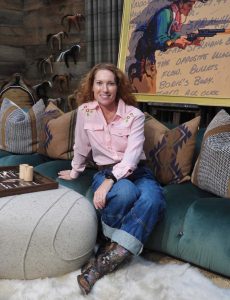
Longtime executive director Allison Merritt, pictured here in a showhome space by Tali Oren Design, brings the WDC to Bozeman, where she plans to introduce the West’s talented artisans and designers to a new audience.
Chase Reynolds Ewald’s deep connection to the landscape, traditions, and lifestyle of the mountain region has yielded a rich body of work chronicling the time less yet ever changing West in 20 books and hundreds of articles. Her most recent books include California Coastal, Modern West and the multi-award-winning Bison: Portrait of an Icon. A longtime Western Design Conference judge and author of two WDC Sourcebooks, Chase is a graduate of Yale and U.C. Berkeley’s Graduate School of Journalism.
No Comments